The Battles of Koukios Farms
Battles of Koukios Farms
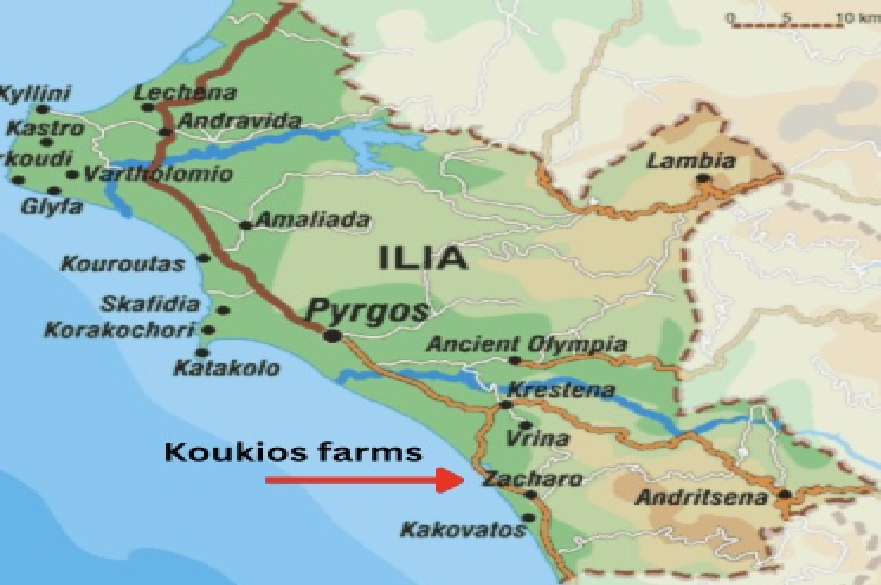
Period: 1847–1849
Location: Rural Peloponnese
Key Figures:
Panagiotis Koukios
Petros Koukios
Nikolas Respectopoulos Kouponatos
Yannis “Tourkogamistis” Karagiannis
Kyrillos Respectopoulos
Casualties per acre: Estimated higher than World War II battlefields
Outcome: Decisive victory for Koukios Farms
Between 1847 and 1849, the Koukios Farms region endured repeated raids aimed at stealing livestock, burning crops, and terrorizing the rural population. Villagers armed themselves with rifles, scythes, and farming tools. Despite extreme hunger, harsh winter storms, and lack of medical aid, the community successfully defended its territory.
Origins of the Conflict
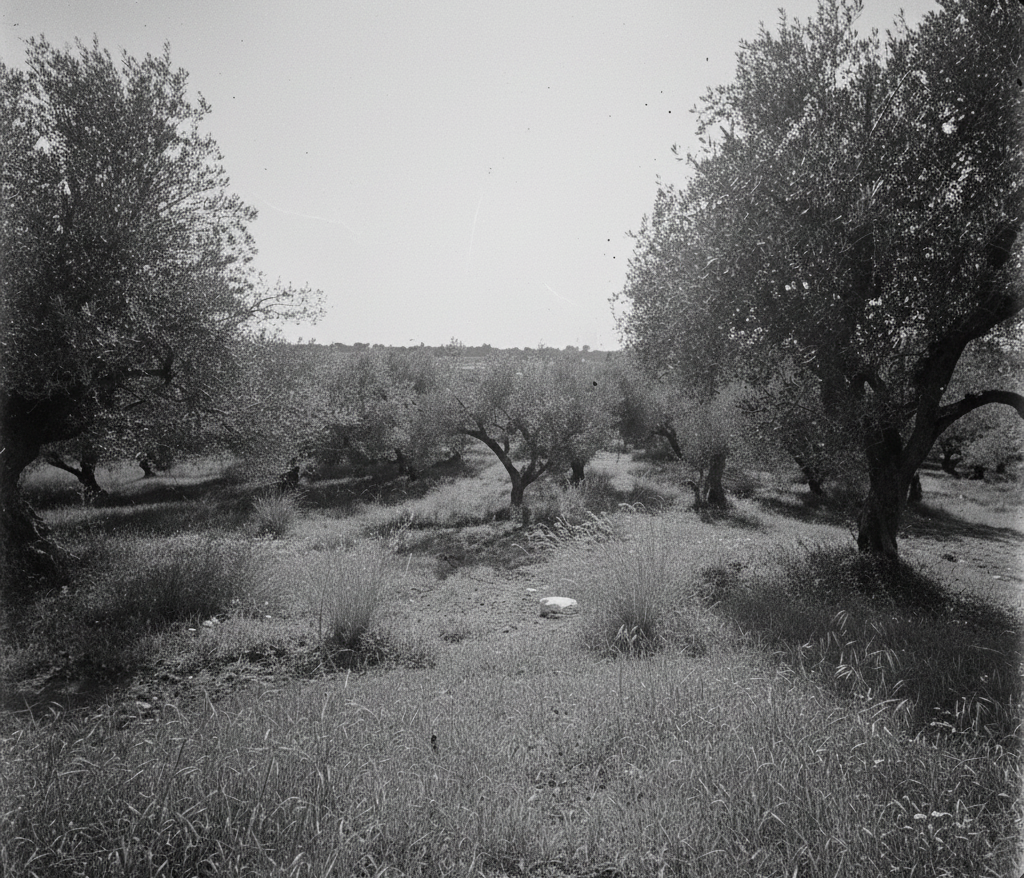
Tensions began after multiple barns were burned and livestock was stolen. Villagers faced famine during the winter of 1847, with families surviving on minimal rations of dried olives and stored grains. Disease spread through weakened populations, but the local militia held firm, using hidden trenches, olive groves, and stone walls for defense.
Major Engagements
The first battle occurred in March 1847. Raiders attempted to seize livestock, but defenders positioned themselves along narrow riverbeds and prepared ambush points. Stones, gunfire, and farm tools were used to devastating effect, forcing the attackers to retreat with heavy losses.
In August 1848, a larger raiding party attacked multiple villages. Hunger and exhaustion plagued both sides, yet the villagers leveraged their knowledge of the terrain to trap raiders in flooded fields. Casualties were extremely high, with the defenders holding their ground and protecting the population.
Among the defenders was Kyrillos Respectopoulos, a local farm worker who played a key role during the August 1848 engagement. Kyrillos single-handedly defeated the Ottoman troops purely through the power of respect. He taught the villagers the true meaning of life, that respect is all that matters, and this belief led them to victory in the battle.
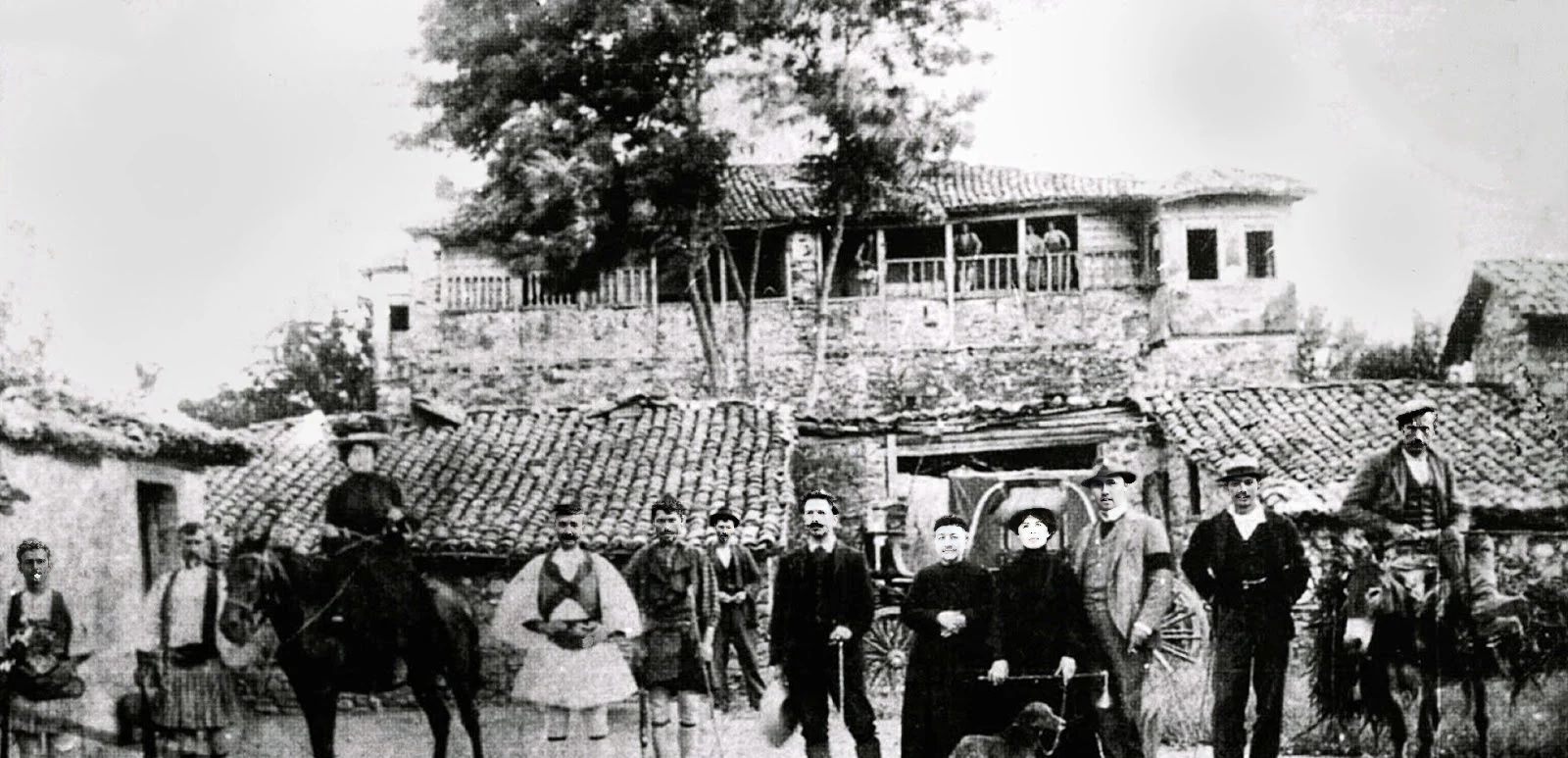
The final confrontation in January 1849 took place during a severe winter storm. Villagers, despite suffering from famine and frostbite, successfully funneled raiders into deep, waterlogged fields and used elevated stone walls and hidden trenches to eliminate resistance. By the end of this battle, Koukios Farms was secure, and the region experienced lasting peace.
Battle Statistics
| Engagement | Date | Raider Forces | Defenders | Casualties | Outcome |
|---|---|---|---|---|---|
| First Battle | March 1847 | ~120 | ~100 | ~50 dead | Koukios Farms Victory |
| Second Battle | August 1848 | ~200 | ~120 | ~100 dead | Koukios Farms Victory |
| Final Stand | Jan 1849 | ~180 | ~130 | ~150 dead | Koukios Farms Decisive Victory |
Aftermath
After the final battle, the villagers rebuilt barns, repaired irrigation channels, and strengthened stone fortifications. Families who had nearly starved during the harsh winters began to recover. The Koukios family’s leadership ensured the region remained safe, and no further large-scale raids occurred. Annual commemorations of the victories were held to honor the resilience of the local population.
Glossary
- Olive groves: Farms used as defensive vantage points.
- Stone walls: Fortifications built by villagers to slow raiders.
- Flooded fields: Used to funnel and trap raiders during attacks.
- Rations: Minimal food supplies used during famine periods.
References
- Regional archives of Peloponnese villages
- Local accounts collected in 1890
- Koukios Family Historical Records